
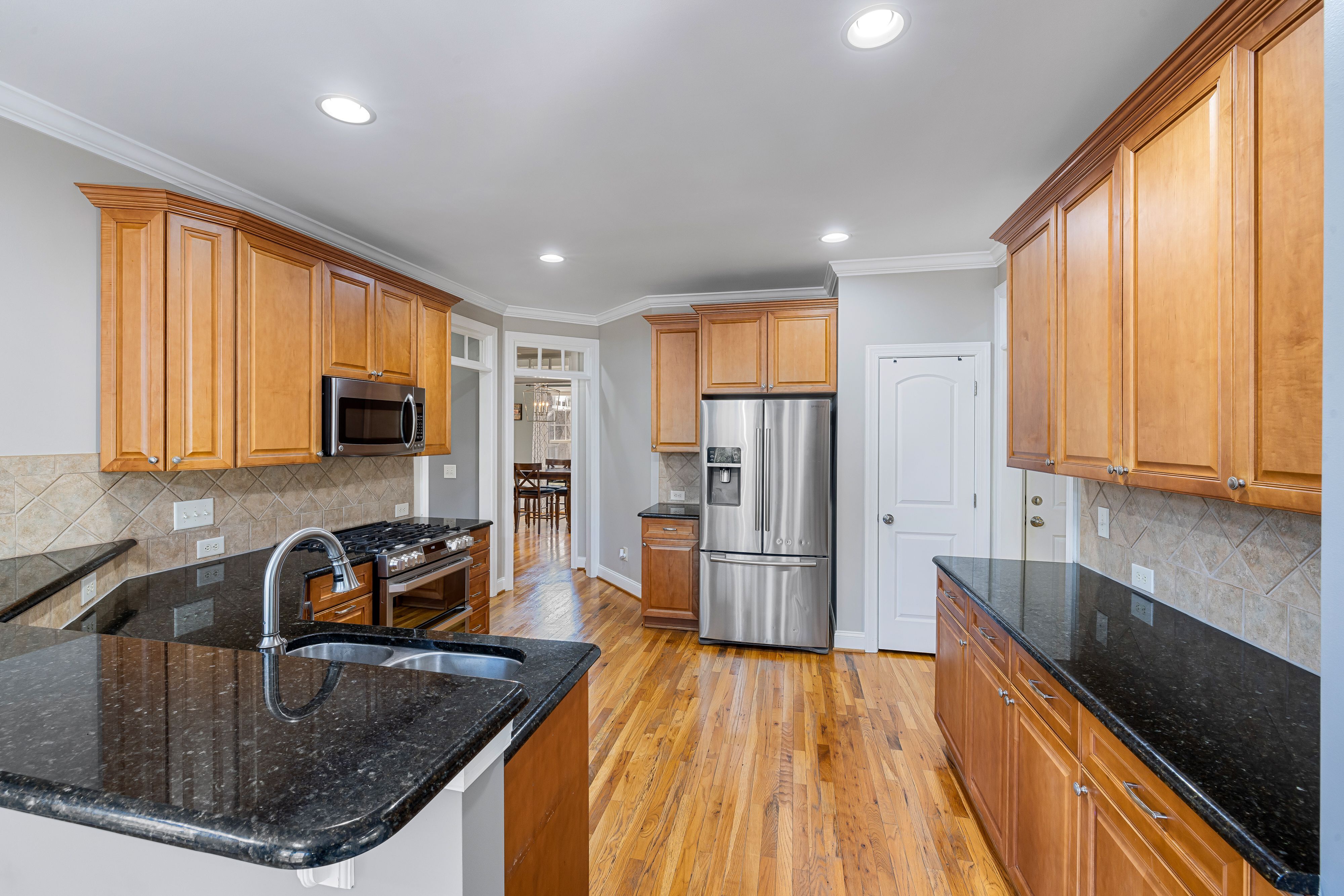
Quick Answer: Granite, Hardwood, and Stainless are the three finishes most listings use to signal a renovated apartment. In practice, renovated usually means new surfaces and appliances inside the original floor plan, not new walls, wiring, or plumbing. On a tour, ask what was replaced, when the work happened, and whether every unit got the same package.
Scroll through almost any apartment listing and you'll see the same phrase: Granite, Hardwood, and Stainless. It reads like a promise. Sometimes it is one, and sometimes it's a new countertop sitting on cabinets from decades ago. At Hickory Apartments, serving Garland, TX renters along the DART Blue Line, we'd rather you know exactly what those words cover before you sign anything.
So here's the plain version.
What Is a Renovated Unit, Really?
A renovated unit is an apartment where the owner replaced dated finishes, fixtures, or appliances to meet what renters expect today, while keeping the original layout and structure. That's different from a remodel, which moves walls or reworks plumbing and electrical. Most apartment renovations sit on the cosmetic side, and that's normal for a rental.
Think of it in layers. The surface layer covers paint, flooring, countertops, cabinet fronts, hardware, and lighting. The equipment layer covers appliances, faucets, and sometimes the water heater or HVAC. The structural layer, meaning walls, pipes inside them, and wiring, is the one a typical renovation leaves alone.
Renovated vs Updated Apartment: Is There a Difference?
Not officially. There's no single standard that decides when a listing can say one word instead of the other, and people in real estate use them loosely. In everyday use, though, a renovated vs updated apartment comparison usually comes down to scope. Updated tends to mean one or two things changed, like new appliances or fresh paint. Renovated usually suggests a broader package across the kitchen, bath, and floors.
That's why the words alone don't tell you much. The details do.
What Do Apartment Upgrades Like Granite and Stainless Actually Include?
Each finish in the Granite, Hardwood, and Stainless trio solves a different renter complaint. Countertops fix a kitchen that looks tired. Floors fix stained or worn carpet. Appliances fix the fridge that hums all night. Here's what each one usually means in the context of apartment upgrades, and what's worth checking on a walkthrough.
Granite Countertops
Granite is a natural stone, so every slab has its own pattern. It handles heat well and holds up to daily chopping and cleaning when it's sealed. One question comes up often enough to address directly: radon. The U.S. Environmental Protection Agency says existing data doesn't show that the granite commonly used in countertops is significantly raising indoor radon levels, and it points to soil under buildings as the main source.
On a tour, look at the seams and edges. A tight seam and a smooth, finished edge are good signs the install was done with care.
Hardwood and Wood-Style Floors
Here's the honest tradeoff. "Hardwood" in a listing can mean solid hardwood, engineered wood, laminate, or luxury vinyl plank, and each one looks similar in photos. They wear differently, though. Solid and engineered wood can scratch under pet claws or chair legs, while vinyl plank shrugs off spills. None of these is wrong for an apartment. You just want to know which one you're getting, especially if you have a dog or plan to move heavy furniture.
Stainless Steel Appliances
Stainless steel appliances are the most visible sign that a kitchen was refreshed. The finish is only part of the story, however. Age and efficiency matter more to your monthly bills. As of September 2026, ENERGY STAR states that certified refrigerators are about 9 percent more efficient than models built to the federal minimum standard. A stainless fridge with a visible ENERGY STAR label is a better sign than stainless alone.
How Can You Tell Renovated Apartments From a Quick Refresh?
Renovated apartments and quick refreshes can look nearly identical in listing photos. Two listings can both promise Granite, Hardwood, and Stainless and still deliver very different units. In person, the difference shows up in the details that photos crop out. Use this table as a quick reference on your next tour.
| Area | Quick Refresh | Full Renovation |
|---|---|---|
| Countertops | Original surface, cleaned or resurfaced | New granite or stone with a new sink and faucet |
| Cabinets | Painted fronts, new handles | New or refaced boxes, soft hinges, new hardware |
| Flooring | Carpet cleaned or replaced in one room | Wood or wood-style flooring through main living areas |
| Appliances | Mixed finishes, one new piece | Matching stainless set installed together |
| Bathroom | New paint and mirror | New vanity, fixtures, and lighting |
| What to ask | Which items are new? | When was it done, and is my unit the one shown? |
That last question matters more than most renters realize. Photos often show a model or a single finished unit. Ask to see the actual apartment you'd lease, or at least one with the same finish package.
Luxury Apartment Features vs. Everyday Upgrades
Granite, Hardwood, and Stainless used to be marketed as luxury apartment features. Today they're closer to the expected baseline in many markets, which is good news for renters on a budget. You don't need a high-rise with a rooftop pool to get a kitchen that feels current. Plenty of upgraded apartments in older, well-kept communities offer the same finishes at a more practical rent.
Hickory is a good example: its 1 and 2-bedroom homes come with updated interiors featuring granite countertops, hardwood floors, and stainless steel appliances. You can compare layouts on the Hickory floor plans page before you visit.
Frequently Asked Questions
1. Does renovated mean the whole apartment is brand new?
Usually not. Renovated normally means finishes and appliances were replaced while the layout, walls, and core systems stayed the same. Some owners renovate the kitchen and floors first and the bathroom later, so two renovated units in the same community can differ. Ask for a list of what changed in the specific unit you're touring.
2. Are granite countertops safe to live with?
According to the EPA, current data doesn't show that granite commonly used in countertops is significantly raising indoor radon levels. The agency names soil beneath buildings as the main radon source. Granite also resists heat and scratches well, which makes it a practical surface for busy kitchens when it's sealed and wiped down regularly.
3. Is "hardwood" in a listing always real hardwood?
Not always. Listings sometimes use "hardwood" for engineered wood, laminate, or luxury vinyl plank, since they look alike in photos. Each option wears differently. Vinyl plank handles water and pets well, while real wood can scratch. If flooring matters to you, ask the leasing office what material is installed in your unit.
4. What should I check when touring a renovated unit?
A quick walkthrough checklist covers most of it:
- Open cabinet doors and drawers to test hinges and slides
- Look for an ENERGY STAR label inside the refrigerator
- Check countertop seams and the edge finish near the sink
- Run the faucets and look under the sink for leaks
- Confirm the unit you'll lease matches the one you toured
5. Do renovated apartments cost more to rent?
Often, yes. Owners typically price renovated units above unrenovated ones to recover the cost of the work. That said, older communities with updated interiors can still come in below newly built properties. Compare the full monthly cost, including specials and fees, against what's actually new inside the unit before deciding.
Conclusion
Granite, Hardwood, and Stainless tell you a kitchen and living space were refreshed, but they don't tell you the whole story. Renovated almost always means surface and appliance upgrades, not a rebuilt apartment. That's fine, as long as you know what you're paying for.
Ask what changed. Ask when. Then look at the actual unit. If you're touring in Garland, you can preview finishes in our photo gallery and virtual tour first, then stop by and see how Granite, Hardwood, and Stainless look in person.