
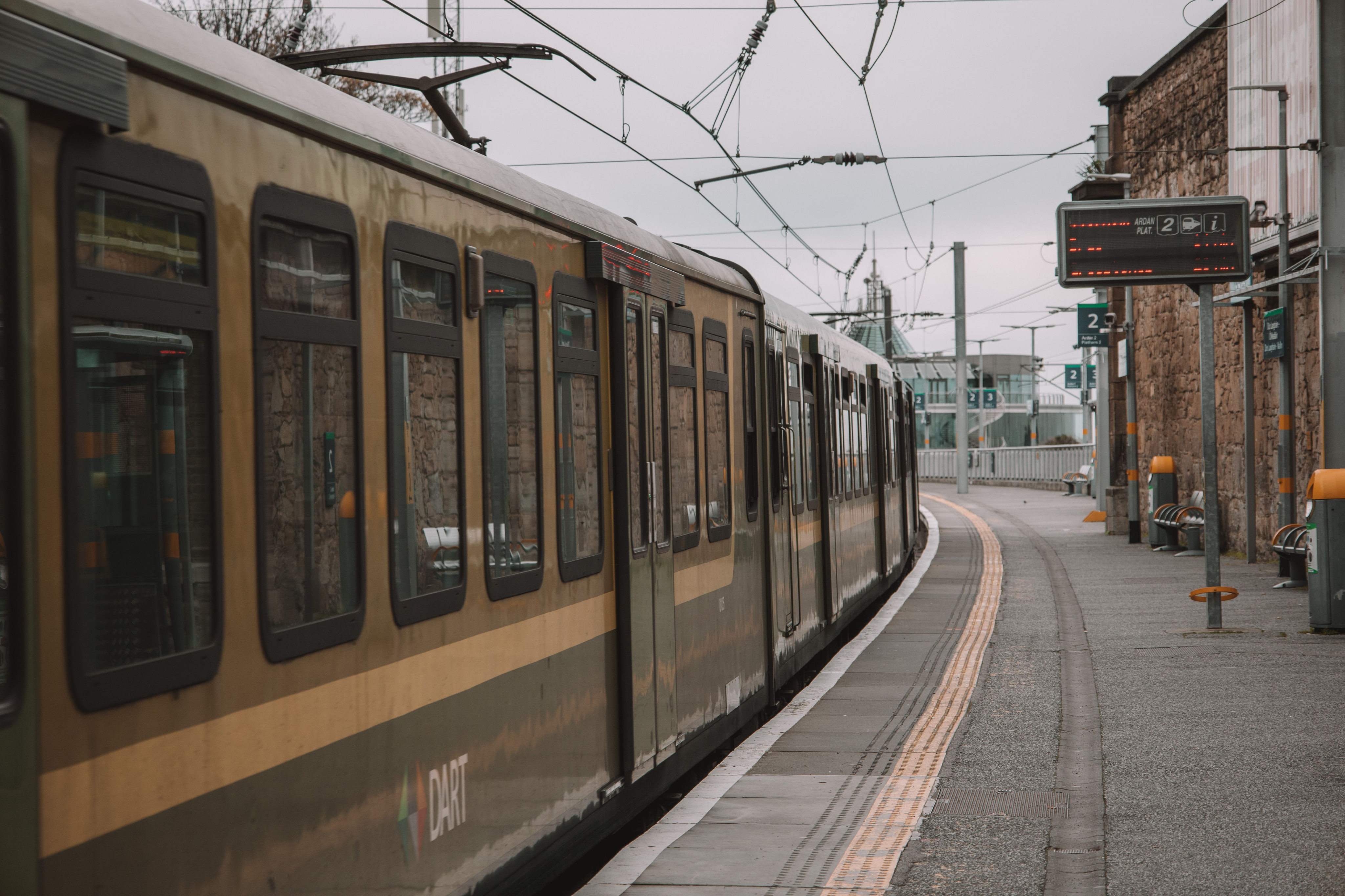
Quick Answer: Living in Garland without a car is realistic if you plan your week around DART. Garland has two Blue Line rail stations plus local buses, and the GoPass app caps your local fares at $6 a day. Downtown Garland Square is the most walkable part of the city, so an address with a direct bus to rail matters most.
Plenty of renters ask whether living in Garland without a car is practical or just wishful thinking. The honest answer depends on where you live and how much planning you'll tolerate. Our team at Hickory Apartments, serving renters on the west side of Garland, TX along Jupiter Road, put this guide together to cover DART, GoPass and the parts of town you can actually walk.
What to Look For When Living in Garland Without a Car
Start with the bus stop, not the apartment. Before you sign a lease, check how far you'd walk to the nearest stop, how often that route runs and whether it reaches a rail station without a transfer. A single reliable connection to the Blue Line does more for car-free life than any amenity list.
Distance to DART Stations
Garland has two DART stations, and both sit on the Blue Line. Downtown Garland Station is at Fifth Street and Walnut Street, two blocks north of the historic square. Forest/Jupiter Station is at 3232 Forest Lane in the city's industrial corridor, with a park-and-ride lot. Both opened on November 18, 2002, which made Garland one of the first suburbs with DART rail.
The Blue Line runs from Downtown Rowlett to UNT Dallas. That means one train takes you from Garland into downtown Dallas with no transfer, which is the backbone of any car-free routine here. Station choice shapes daily life, too. Living in Garland without a car near Forest/Jupiter means planning around an industrial area, while Downtown Garland puts you close to restaurants and the square.
Garland Transportation Beyond the Train
Rail alone won't cover your errands. Downtown Garland Station doubles as the city's main bus transfer point, and DART also runs South Garland Transit Center and Lake Ray Hubbard Transit Center. The bus routes DART operates in Garland feed those hubs, so most trips are bus to hub, then train or a second bus.
Where fixed routes thin out, DART uses GoLink. It's an on-demand, curb-to-curb ride inside a set zone, booked through the GoPass app or by calling 214-515-7272. The Southeast Garland zone operates out of Lake Ray Hubbard Transit Center. Zones change, so confirm yours before you count on it.
How Much Does Public Transit in Garland Cost With GoPass?
As of October 2026, a local DART Day Pass costs $6 and a 3-Hour Pass costs $3. If you pay with the GoPass app, a registered GoPass Tap card or a contactless bank card, fare capping stops charging you once you hit the Day Pass price. You never pay more than a Monthly Pass in a calendar month either.
One catch: capping only works if you activate a ticket in the app or tap a validator before every trip. Skip a tap and that ride doesn't count toward your cap.
| Fare Type | Adult Price | What It Covers |
|---|---|---|
| Local 3-Hour Pass | $3.00 | DART buses, rail and GoLink for three hours, transfers included |
| Local Day Pass | $6.00 | All local DART service for the day |
| Local Monthly Pass | $126.00 | All local DART service for the calendar month |
| Regional Day Pass | $9.00 | DART plus Trinity Metro and DCTA, reduced from $12 on March 1, 2026 |
| Regional 31-Day Pass | $192.00 | Unlimited DFW public transit across all three agencies |
| Daily Fare Cap (GoPass) | $6.00 | Most you pay for local rides in one day |
Reduced fares run at half price for eligible seniors, riders with disabilities, Medicare card holders, qualifying students and U.S. military veterans, who need a reduced-fare photo ID. Fares do change, so check DART's fare page before you budget.
For a rough budget, compare transit with what a car costs you. Living in Garland without a car means your core local transportation spend tops out at $126 a month under the current fare structure, before any rideshare trips. If you also commute toward Fort Worth or Denton, price the $192 regional pass instead.
Where Are the Walkable Neighborhoods in Garland?
Downtown Garland Square is the clearest answer. It sits two blocks south of the Downtown Garland DART station, so you can step off the train and be at dinner in minutes. The restored Plaza Theatre at 521 W. State Street shows films and hosts concerts, and the Granville Arts Center is a block off the square. The Garland Landmark Museum fills the old 1901 Santa Fe depot nearby.
The Texas Commission on the Arts designated the area the Bankhead Cultural Arts District in 2023. On the first Friday of each month, the Music Made Here concert series brings live music to the square.
Now the tradeoff. Most of Garland was built around the car. Walk Score gives the city an average score of 40, and the U.S. Census Bureau's QuickFacts for Garland puts the mean commute at 30.1 minutes for 2019 to 2023. Outside downtown, plan on bus rides for groceries and appointments rather than long walks along arterial roads.
If you've been comparing Dallas apartments near DART, it helps to check routes on a map first. The Hickory map and directions page shows the property's spot on South Jupiter Road, where DART's crosstown Jupiter route runs. Trace your commute from there before you tour.
One practical tip: living in Garland without a car is easier when you keep the bus for daily trips and save GoLink or a rideshare for the occasional big grocery run.
Frequently Asked Questions
1. Can you live in Garland, TX without a car?
Yes, with planning. Car-free living works best if you work near the Blue Line or along a direct bus route, and if you do most errands near home. Riders who need to cross the suburbs often find trips long. Pick an apartment by its transit connection first, then by everything else.
2. How many DART stations are in Garland?
Two. Downtown Garland Station sits at Fifth and Walnut streets near the square, and Forest/Jupiter Station is on Forest Lane in west Garland. Both are on the Blue Line, which runs between Downtown Rowlett and UNT Dallas. Garland also has the South Garland and Lake Ray Hubbard transit centers for buses.
3. What can you do in the GoPass app?
The GoPass app is DART's main rider tool. Inside it you can:
- Buy 3-Hour, Day and Monthly passes
- Plan trips with real-time bus and train tracking
- Check system maps and service alerts
- Book GoLink on-demand rides
- Get automatic fare capping on your rides
4. Does DART go from Garland to downtown Dallas?
Yes. The Blue Line runs from both Garland stations straight into downtown Dallas, so it's a one-seat ride with no transfer. From downtown you can connect to other DART lines and the wider Dallas transit network.
5. Is Garland still a DART member city?
Yes. Several member cities considered leaving DART ahead of May 2, 2026 elections, and Highland Park voters chose to withdraw. Garland didn't hold a withdrawal vote, so its rail stations and bus service continue. Garland residents also help fund DART through a one-cent local sales tax.
Conclusion
Living in Garland without a car comes down to one decision: choosing a home with a direct link to DART. Two Blue Line stations plus GoPass fare capping make a car-free routine affordable, and Downtown Garland Square gives you a walkable spot for nights out. Browse our floor plans to find a Garland home that fits how you get around.